

Intermediate Ancient Greek
An Ephesian Tale
by 2nd century AD author Xenophon of Ephesus
MONDAY & THURDSAY (2x a week)
Mon, Nov 17 – Thu, December 18
9 am ET / 3pm CET
Spots Remaining:
1
Monday Only
Mon, October 13 – Mon, December 15
12 noon ET / 6pm CET
Spots Remaining:
0
(spots remaining updated 2025-11-16)
An Ephesian Tale is one of the first novels in history, and is the shortest, easiest, and most ridiculous of the five complete Ancient Greek novels that have survived to us from antiquity. Written by Xenophon of Ephesus in the 2nd century AD, this action-adventure-romance is so over-the-top, its sincere star-crossed characters so wrought by plight, that to properly conceive of what this novel is like, imagine Romeo and Juliet meets Pirates of the Carribean.
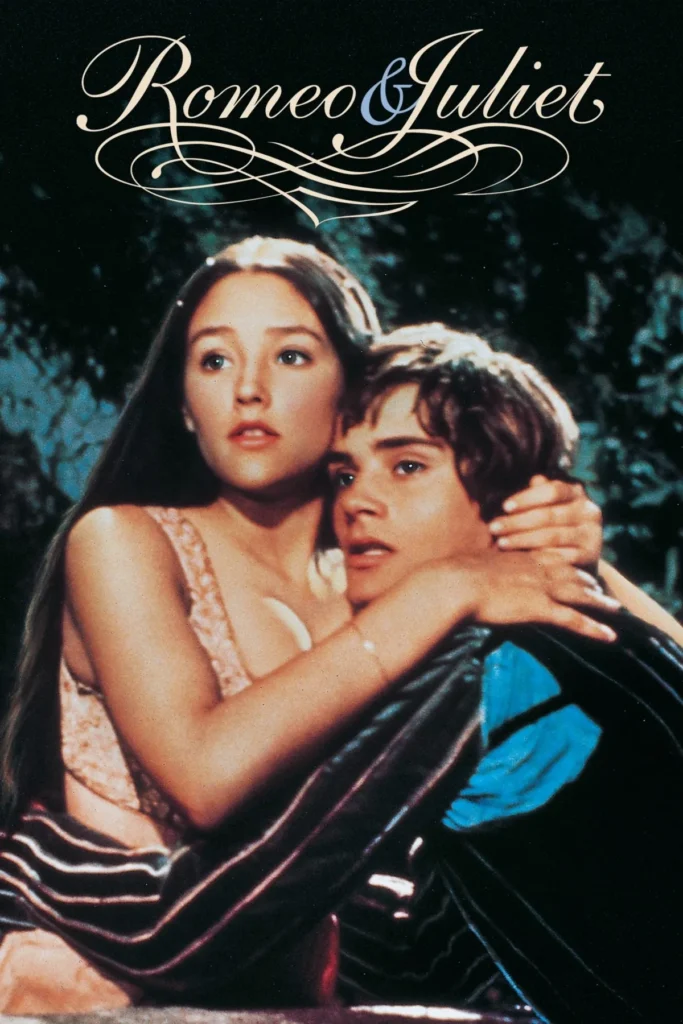
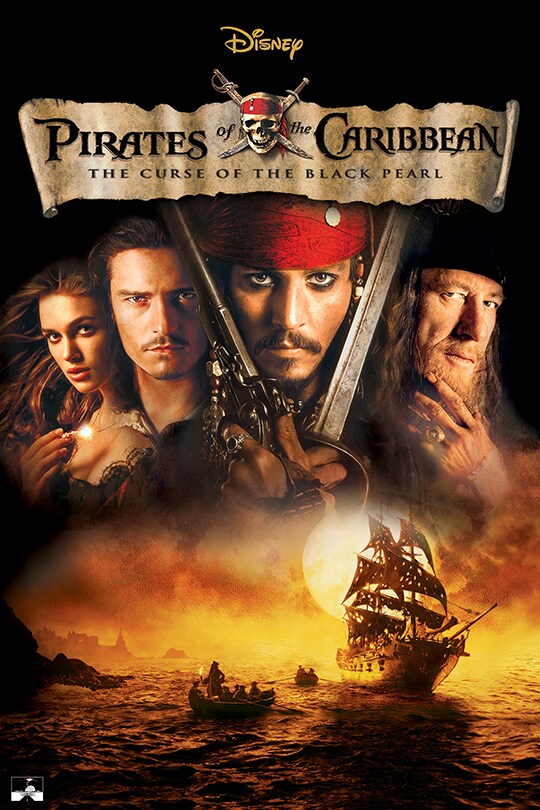
It’s silly, shocking, unbelievable. Since this course will render the text entirely comprehensible for all participants, I strongly recommend you not spoil the story for yourself: don’t look up any plot summary or the like, as it will be far more enjoyable to experience the story entirely through the medium of Ancient Greek, and feel the same excitement they felt in the 2nd century AD when the novels first readers first thrilled readers couldn’t wait to read the next chapter.
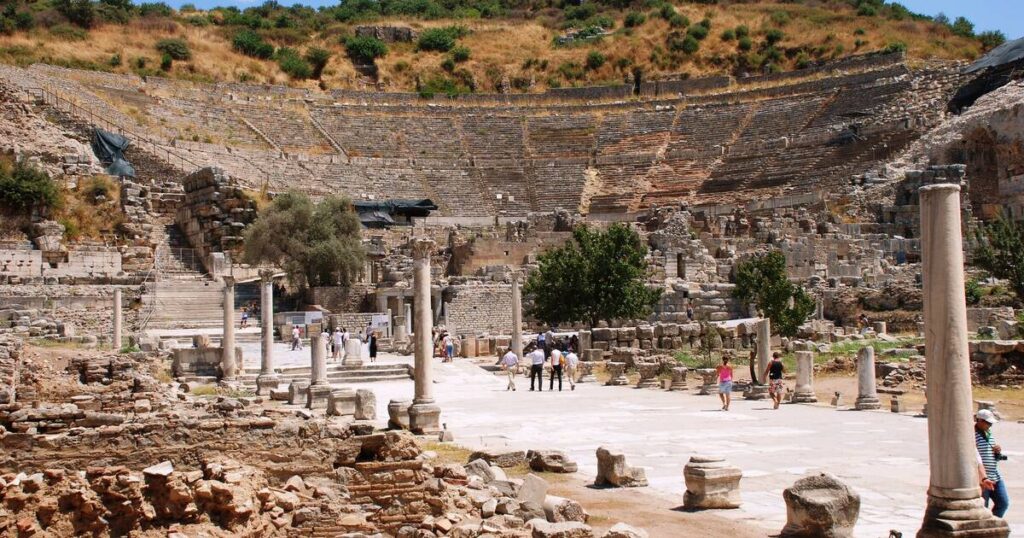
The class will be conducted almost entirely in Ancient Greek, and will train every participant to begin think in Ancient Greek. (A few minutes at the end of every class will be reserved for questions or clarifications in English.)
A key part of each lesson will be in the recognition of idiomatic expressions in the text, such as:
Διέκειτο δὲ καὶ Ἄνθεια πονήρως.
Anthea though was in a bad way.
This type of formula, διακεῖσθαι + adverb, occurs frequently in the text and in Ancient Greek prose at large, and doesn’t pose a great challenge in comprehension. But have you ever uttered this phrase yourself? That’s what we will do in class! Based upon this formula, we will create our own phrases based on the formula and take turns speaking them aloud:
Τήμερον διακεῖμαι καλῶς!
Ἐυλαβοῦ! ἐκεῖνος ὁ κύων διακεῖται ἀγρίως.
Χθὲς μὲν διεκείμην πονήρως, νῦν δὲ εὐδαιμίνως πρά̄ττω.
κτλ.
The result is will not merely read Ancient Greek, but truly acquire it, making it our own, and thus render ourselves ever more proficient readers.

Ancient Greek literature is filled with some of the most important texts in history, such as Aeschylus’ tragedies, Plato’s philosophy, Josephus’ antiquities, Dio’s histories, Church Fathers’ letters — but on the way to the goal of reading those often difficult, advanced texts, we must build a strong foundation, and fall in love with the activity of reading and thinking in Ancient Greek, so that, once we arrive at those challenging texts, we will be well prepared: not only in your ability to read Greek, but in your understanding of common aspects of the world of the ancient Eastern Mediterranean which will further enrich your sense of the context of this vast body of literature. This course based on An Ephesian Tale will lay the next layer of brick in that foundation.
Important Information
The prerequisite for attendance is to have read Thrasymachus’ Catabasis through to the end (chapter 32) or to have completed comparable beginner Ancient Greek courses such as those based on the textbooks Athenaze, Reading Greek, Logos, or others.
The Monday-only course runs for 10 lessons, 90 min each, every Monday at 12 noon ET / 6pm CET (Central European Time), October 13 to December 15, conducted via Zoom.
The Monday & Thursday course also runs for 10 lessons, 90 min each, every Monday and Thursday at 9am ET / 3pm CET, from November 17 to December 18, conducted via Zoom.
Course price: $225.
The class size will be capped at 10 students.
Instructor: Luke Ranieri

If you are interested, please send an email to scorpiomartianus@gmail.com.